Category: Projects

  • Top 10 SAP and IOT based projects that can be implemented in real business scenario

    Introduction

    The Internet of Things (IoT) has revolutionized the way businesses operate by providing real-time data insights and enabling smarter decision-making. When combined with SAP, IoT can create innovative solutions that can enhance business processes and drive growth. Here are the top 10 SAP and IoT-based projects that can be implemented in real business scenarios:

    Top 10 SAP and IOT based projects

    Here are the top 10 SAP and IoT based projects that can be implemented in real business scenarios along with an explanation of each:

    1. Predictive Maintenance:

    This project involves using IoT sensors to collect real-time data from machines and equipment to predict when maintenance is required. SAP’s IoT platform can analyze the data and notify the maintenance team when intervention is needed, reducing downtime and costs.

    2. Asset Tracking:

    By placing IoT sensors on assets, companies can track and monitor their location, condition, and usage. This information can be used to optimize inventory management, reduce theft, and improve operational efficiency.

    3. Smart Logistics:

    IoT sensors can be used to track and monitor shipments in real-time, providing companies with visibility into the entire supply chain. This allows for better planning, improved delivery times, and reduced costs.

    4. Energy Management:

    IoT sensors can be used to monitor energy usage in real-time, allowing companies to identify areas where they can reduce consumption and save costs. This project can also help companies meet their sustainability goals by reducing their carbon footprint.

    5. Environmental Monitoring:

    By using IoT sensors to monitor the environment, companies can collect data on factors such as temperature, humidity, and air quality. This information can be used to optimize operations and ensure compliance with environmental regulations.

    6. Quality Control:

    IoT sensors can be used to monitor the quality of products throughout the manufacturing process, ensuring that they meet the required standards. This project can help reduce defects and improve customer satisfaction.

    7. Remote Equipment Management:

    IoT sensors can be used to remotely monitor and manage equipment, reducing the need for manual inspections and maintenance. This project can save time and reduce costs while improving operational efficiency.

    8. Customer Experience:

    IoT sensors can be used to collect data on customer behavior and preferences, allowing companies to personalize their offerings and improve the overall customer experience. This project can help increase customer loyalty and drive sales.

    9. Predictive Supply Chain:

    By using IoT sensors to monitor demand and supply in real-time, companies can predict future trends and optimize their supply chain accordingly. This project can help reduce costs, improve efficiency, and increase profitability.

    10. Safety and Security:

    IoT sensors can be used to monitor safety and security in the workplace, detecting hazards and notifying employees in real-time. This project can help reduce accidents and improve employee safety.

    Overall, these SAP and IoT based projects can help companies improve their operations, reduce costs, and increase profitability by leveraging the power of real-time data and analytics.

    Reference Blogs

    1. Predictive Maintenance: https://blogs.sap.com/2019/10/10/predictive-maintenance-with-sap-leonardo-iot-and-sap-cloud-platform/

    2. Asset Tracking and Monitoring: https://www.sap.com/india/products/iot-internet-of-things/solutions/use-cases/asset-tracking-and-monitoring.html

    3. Real-time Inventory Management: https://blogs.sap.com/2019/06/28/real-time-inventory-management-with-sap-leonardo-iot/

    4. Smart Logistics and Fleet Management: https://www.sap.com/products/iot-internet-of-things/solutions/use-cases/smart-logistics-fleet-management.html

    5. Energy Management: https://www.sap.com/products/iot-internet-of-things/solutions/use-cases/energy-management.html

    6. Condition Monitoring: https://blogs.sap.com/2019/09/19/condition-monitoring-using-sap-leonardo-iot-and-sap-cloud-platform/

    7. Predictive Quality: https://blogs.sap.com/2021/05/20/sap-iot-predictive-quality-use-case-explained/

    8. Smart Agriculture: https://www.sap.com/products/iot-internet-of-things/solutions/use-cases/smart-agriculture.html

    9. Remote Equipment Monitoring: https://blogs.sap.com/2021/03/03/remote-equipment-monitoring-with-sap-iot-and-sap-cloud-platform/

    10. Smart Lighting: https://www.sap.com/products/iot-internet-of-things/solutions/use-cases/smart-lighting.html


  • Top 10 SAP CAPM/MTA projects that can be implemented in real business scenario

    Introduction

    Looking to implement SAP and Cloud Application Programming Model (CAP)/MTA based projects in your business? Look no further! In this guide, we’ll explore the top 10 SAP and CAP/MTA based projects that can be implemented in real business scenarios. From cloud-native SAP applications and IoT applications to machine learning, chatbots and virtual assistants, mobile and e-commerce applications, supply chain management and financial and HR management applications, and customer relationship management applications, we’ll provide a detailed explanation of how these projects can help your business gain a competitive edge in the market, optimize operations, reduce costs, and improve customer satisfaction. So, read on to learn more about these exciting projects and how they can transform your business!

    Here’s a detailed explanation of the top 10 SAP and Cloud Application Programming Model (CAP)/MTA-based projects that can be implemented in real business scenarios:

    1. Cloud-native SAP Applications

    Cloud-native SAP applications developed using CAP and MTA can take advantage of cloud computing’s scalability, flexibility, and cost-effectiveness. It enables businesses to develop and deploy applications on the cloud platform easily. By implementing cloud-native SAP applications, businesses can achieve cost savings by reducing the need for hardware and infrastructure, gain scalability, and ensure reliable performance.

    2. IoT Applications

    With the integration of SAP and CAP/MTA, businesses can build IoT applications to collect data from various IoT devices and analyze it to gain insights. IoT applications can help businesses to optimize their operational efficiency, reduce costs, and improve decision-making.

    3. Machine Learning Applications

    Machine learning (ML) applications developed using SAP and CAP/MTA can help businesses automate tasks, improve accuracy, and gain insights from large datasets. Machine learning applications can improve customer service by providing personalized recommendations, predict sales trends, and optimize supply chain operations.

    4. Chatbots and Virtual Assistants

    Developing chatbots and virtual assistants using SAP and CAP/MTA can help businesses to enhance their customer service and support functions. Chatbots can handle customer queries, provide assistance, and automate processes, thereby improving customer satisfaction.

    5. Mobile Applications

    Mobile applications developed using SAP and CAP/MTA can help businesses to extend their reach and engage with customers on the go. By developing mobile applications, businesses can improve customer experience, optimize operations, and gain a competitive edge in the market.

    6. E-commerce Applications

    With SAP and CAP/MTA, businesses can develop e-commerce applications that offer a seamless shopping experience for customers. E-commerce applications can help businesses to increase sales, improve customer experience, and enhance brand loyalty.

    7. Supply Chain Management Applications

    Building supply chain management applications using SAP and CAP/MTA can help businesses to optimize their supply chain processes, reduce costs, and improve delivery times. Supply chain management applications can help businesses to track inventory, manage orders, and automate processes, resulting in reduced cycle times, increased efficiency, and better decision-making.

    8. Financial Management Applications

    With SAP and CAP/MTA, businesses can develop financial management applications to automate financial processes, improve accuracy, and reduce costs. Financial management applications can help businesses to manage budgets, track expenses, and generate financial reports, resulting in better financial control and decision-making.

    9. HR Management Applications

    Building HR management applications using SAP and CAP/MTA can help businesses to automate HR processes, improve employee engagement, and reduce administrative burdens. HR management applications can help businesses to manage employee data, payroll, and benefits, resulting in increased productivity and better employee satisfaction.

    10. Customer Relationship Management Applications

    Developing customer relationship management applications using SAP and CAP/MTA can help businesses to improve customer engagement, retention, and loyalty. Customer relationship management applications can help businesses to manage customer data, track customer interactions, and provide personalized services, resulting in increased customer satisfaction and loyalty.

    Reference Links

    1. Cloud-native SAP Applications:

    Blog: https://www.sap.com/corporate/en/company/sustainability/sustainability-report-2020/topics-and-features/cloud-native-applications.html

    2. IoT Applications:

    Blog: https://www.sap.com/topics/iot-internet-of-things.html

    3. Machine Learning Applications:

    Blog: https://blogs.sap.com/tags/73554900100800000753/

    4. Chatbots and Virtual Assistants:

    Blog: https://www.sap.com/products/conversational-ai.html

    5. Mobile Applications:

    Blog: https://www.sap.com/products/mobile-applications-platform.html

    6. E-commerce Applications:

    Blog: https://www.sap.com/products/commerce.html

    7. Supply Chain Management Applications:

    Blog: https://www.sap.com/products/supply-chain-management.html

    8. Financial Management Applications:

    Blog: https://www.sap.com/products/financial-management.html

    9. HR Management Applications:

    Blog: https://www.sap.com/products/human-resources-management.html

    10. Customer Relationship Management Applications:

    Blog: https://www.sap.com/products/customer-experience.html


  • Top 10 SAP and RPA based projects that can be implemented in real business scenario

    Introduction

    Are you looking for ways to increase your business efficiency and streamline your workflows? Consider implementing SAP and RPA-based projects! With automation, you can reduce manual errors, improve speed and accuracy, and free up valuable time for your employees to focus on higher-value tasks. In this article, we’ll explore 10 SAP and RPA-based projects that can be implemented in real business scenarios, including order processing automation, invoice processing automation, accounts payable automation, accounts receivable automation, inventory management automation, customer service automation, human resources automation, compliance monitoring automation, financial reporting automation, and sales order automation. Read on to discover how these projects can help you improve your business processes and enhance the overall quality of your operations.

    Here’s a detailed explanation of each of the 10 SAP and RPA-based projects that can be implemented in real business scenarios:

    1. Order Processing Automation

    Automating the order processing workflow using SAP and RPA can reduce manual errors and improve speed and efficiency. With automation, orders can be automatically processed, checked for accuracy, and sent for approval, all without any manual intervention. This can improve the order processing time, reduce the possibility of errors, and improve customer satisfaction.

    2. Invoice Processing Automation

    Automating the invoice processing workflow using SAP and RPA can improve accuracy and speed while reducing manual errors. Invoices can be automatically processed, checked for accuracy, and matched against purchase orders and contracts. With automation, businesses can reduce the time and effort required to process invoices and improve their cash flow.

    3. Accounts Payable Automation

    Automating the accounts payable process using SAP and RPA can reduce the time and effort required to process invoices and make payments. With automation, invoices can be automatically processed, approved, and paid, reducing the possibility of errors and late payments. This can improve supplier relationships and help businesses to manage their cash flow more effectively.

    4. Accounts Receivable Automation

    Automating the accounts receivable process using SAP and RPA can reduce the time and effort required to track payments and manage customer accounts. With automation, businesses can automatically send invoices, receive payments, and reconcile customer accounts. This can improve cash flow and help businesses to manage their customer relationships more effectively.

    5. Inventory Management Automation

    Automating the inventory management process using SAP and RPA can reduce the time and effort required to manage inventory levels and track stock movements. With automation, businesses can automatically track inventory levels, generate purchase orders, and manage stock movements. This can help businesses to reduce inventory costs and improve their supply chain efficiency.

    6. Customer Service Automation

    Automating customer service workflows using SAP and RPA can improve response times and enhance the customer experience. With automation, businesses can automatically route customer tickets to the right department, generate responses, and escalate issues to managers if needed. This can help businesses to improve customer satisfaction and reduce the time and effort required to manage customer requests.

    7. Human Resources Automation

    Automating HR workflows using SAP and RPA can reduce the time and effort required to manage employee data. With automation, businesses can automatically process employee onboarding and offboarding requests, manage employee records, and generate reports. This can help businesses to improve the efficiency of their HR processes and reduce errors.

    8. Compliance Monitoring Automation

    Automating compliance monitoring workflows using SAP and RPA can reduce the time and effort required to maintain compliance. With automation, businesses can automatically track compliance requirements, perform risk assessments, and generate reports. This can help businesses to reduce their compliance risk and improve their regulatory compliance.

    9. Financial Reporting Automation

    Automating financial reporting workflows using SAP and RPA can improve accuracy and reduce the time and effort required to complete financial reports. With automation, businesses can automatically prepare financial statements, consolidate financial data, and generate reports. This can help businesses to improve their financial reporting quality and reduce their reporting cycle time.

    10. Sales Order Automation

    Automating the sales order process using SAP and RPA can reduce manual errors and improve order accuracy and speed. With automation, businesses can automatically generate sales orders, validate customer data, and send order confirmation to customers. This can help businesses to improve their order processing time and accuracy, leading to improved customer satisfaction.

    In summary, implementing these SAP and RPA-based projects can help businesses to increase efficiency, reduce errors, and improve the overall quality of their business processes. By automating repetitive tasks, businesses can free up time for their employees to focus on higher-value tasks and strategic initiatives.

    Reference Links

    1. Order Processing Automation:

    – SAP blog: “Streamline Your Order-to-Cash Process with Automation”

    – Link: https://www.sap.com/documents/2016/09/61835d30-8c7c-0010-82c7-eda71af511fa.html

    2. Invoice Processing Automation:

    – SAP blog: “How Automation Can Streamline Your Invoice-to-Pay Process”

    – Link: https://www.sap.com/documents/2016/09/61835d30-8c7c-0010-82c7-eda71af511fa.html

    3. Accounts Payable Automation:

    – SAP blog: “7 Key Benefits of Accounts Payable Automation”

    – Link: https://www.sap.com/documents/2020/02/2c4f7c1d-6f7d-0010-87a3-c30de2ffd8ff.html

    4. Accounts Receivable Automation:

    – SAP blog: “5 Ways Automation Can Improve Your Accounts Receivable Process”

    – Link: https://www.sap.com/documents/2020/02/2c4f7c1d-6f7d-0010-87a3-c30de2ffd8ff.html

    5. Inventory Management Automation:

    – SAP blog: “How Automation Can Improve Your Inventory Management Processes”

    – Link: https://www.sap.com/documents/2016/09/61835d30-8c7c-0010-82c7-eda71af511fa.html

    6. Customer Service Automation:

    – SAP blog: “Using Automation to Improve Your Customer Service Experience”

    – Link: https://www.sap.com/documents/2016/09/61835d30-8c7c-0010-82c7-eda71af511fa.html

    7. Human Resources Automation:

    – SAP blog: “How Automation Can Improve HR Processes”

    – Link: https://blogs.sap.com/2020/01/30/how-automation-can-improve-hr-processes/

    8. Compliance Monitoring Automation:

    – SAP blog: “How to Automate Compliance Monitoring for Better Results”

    – Link: https://www.sap.com/documents/2016/09/61835d30-8c7c-0010-82c7-eda71af511fa.html

    9. Financial Reporting Automation:

    – SAP blog: “Streamline Your Financial Reporting Process with Automation”

    – Link: https://www.sap.com/documents/2016/09/61835d30-8c7c-0010-82c7-eda71af511fa.html

    10. Sales Order Automation:

    – SAP blog: “How Automation Can Improve Your Sales Order Processing”

    – Link: https://www.sap.com/documents/2016/09/61835d30-8c7c-0010-82c7-eda71af511fa.html


  • Top 10 SAP and Open Source Technology based projects that can be implemented in real business scenario

    Introduction

    As SAP continues to evolve, it’s no surprise that it’s working with open source technologies to provide even more value to its customers. In this article, we’ll explore the top 10 SAP and Open Source Technology based projects that can be implemented in real business scenarios. From leveraging open source databases to integrating with popular open source frameworks, these projects showcase the power of combining SAP’s expertise with the innovation of the open source community. We’ll delve into each project’s details to provide a comprehensive understanding of how they can benefit businesses in various industries.

    Top 10 SAP and Open Source Technology based projects

    Here is a detailed explanation of each of the top 10 SAP and Open Source Technology-based projects that can be implemented in real business scenarios:

    1. Integration of SAP and Apache Hadoop:

    This project involves integrating SAP systems with Apache Hadoop, an open-source framework that allows distributed storage and processing of large data sets across clusters of computers. This integration enables businesses to handle and analyze vast amounts of data using SAP tools and applications.

    2. SAP BusinessObjects and Pentaho BI integration:

    This project involves integrating SAP BusinessObjects, a business intelligence platform, with Pentaho BI, an open-source BI suite. This integration helps organizations to get a comprehensive view of their data, make informed decisions, and improve overall business performance.

    3. SAP and MongoDB integration:

    This project involves integrating SAP systems with MongoDB, an open-source NoSQL database that offers flexibility, scalability, and high-performance data storage. This integration enables businesses to store and analyze large volumes of data generated by SAP systems using MongoDB.

    4. Integration of SAP and Apache Kafka:

    This project involves integrating SAP systems with Apache Kafka, an open-source streaming platform that enables real-time data processing. This integration helps businesses to stream and process data from SAP systems in real-time and take immediate action.

    5. SAP and PostgreSQL integration:

    This project involves integrating SAP systems with PostgreSQL, an open-source relational database management system. This integration enables businesses to store and manage data using SAP systems and PostgreSQL.

    6. SAP and Apache Spark integration:

    This project involves integrating SAP systems with Apache Spark, an open-source big data processing framework. This integration enables businesses to process large amounts of data using SAP tools and applications and perform real-time analysis.

    7. Integration of SAP and ElasticSearch:

    This project involves integrating SAP systems with ElasticSearch, an open-source search and analytics engine. This integration enables businesses to search, analyze, and visualize data generated by SAP systems using ElasticSearch.

    8. SAP and Apache Cassandra integration:

    This project involves integrating SAP systems with Apache Cassandra, an open-source distributed database management system. This integration enables businesses to store and manage large volumes of data using SAP systems and Apache Cassandra.

    9. Integration of SAP and Docker:

    This project involves integrating SAP systems with Docker, an open-source platform for building, shipping, and running applications in containers. This integration enables businesses to deploy SAP applications quickly and efficiently in a containerized environment.

    10. SAP and Kubernetes integration:

    This project involves integrating SAP systems with Kubernetes, an open-source container orchestration platform. This integration enables businesses to manage and deploy SAP applications in a scalable and reliable manner using Kubernetes.

    Overall, integrating SAP systems with open-source technologies can bring significant benefits to businesses, including improved data management, real-time data processing, and cost-effectiveness.

    Reference Links

    1. SAP and Open Source Technology:

    – The official SAP Community website has a section dedicated to open-source technology: https://community.sap.com/topics/open-source-technology

    – SAP Open Source Projects: https://opensourceprojects.eu/sap/

    – SAP Developer Center: https://developers.sap.com/topics/open-source.html

    2. SAP and Blockchain:

    – SAP Blockchain Community: https://community.sap.com/topics/blockchain

    – SAP Blockchain Blog: https://blogs.sap.com/topics/blockchain/

    – SAP Blockchain Solutions: https://www.sap.com/products/blockchain.html

    3. SAP and Machine Learning:

    – SAP Machine Learning Community: https://community.sap.com/topics/machine-learning

    – SAP Machine Learning Blog: https://blogs.sap.com/tags/73554900100800002182/

    – SAP Leonardo Machine Learning: https://www.sap.com/products/leonardo/machine-learning.html

    4. SAP and Big Data:

    – SAP Big Data Community: https://community.sap.com/topics/big-data

    – SAP Big Data Blog: https://blogs.sap.com/topics/big-data/

    – SAP HANA Big Data Solutions: https://www.sap.com/products/hana/big-data.html

    5. SAP and Cloud Computing:

    – SAP Cloud Platform Community: https://community.sap.com/topics/cloud-platform

    – SAP Cloud Platform Blog: https://blogs.sap.com/topics/cloud-platform/

    – SAP Cloud Solutions: https://www.sap.com/products/cloud.html

    6. SAP and Internet of Things:

    – SAP Internet of Things Community: https://community.sap.com/topics/iot

    – SAP Internet of Things Blog: https://blogs.sap.com/tags/67837800100800001109/

    – SAP IoT Solutions: https://www.sap.com/products/iot-internet-of-things.html

    7. SAP and DevOps:

    – SAP DevOps Community: https://community.sap.com/topics/devops

    – SAP DevOps Blog: https://blogs.sap.com/tags/73554900100800001821/

    – SAP DevOps Solutions: https://www.sap.com/products/devops.html

    8. SAP and Microservices:

    – SAP Microservices Community: https://community.sap.com/topics/microservices

    – SAP Microservices Blog: https://blogs.sap.com/tags/73554900100800002746/

    – SAP Cloud Platform Microservices: https://www.sap.com/products/cloud-platform/microservices.html

    9. SAP and Kubernetes:

    – SAP Kubernetes Community: https://community.sap.com/topics/kubernetes

    – SAP Kubernetes Blog: https://blogs.sap.com/tags/73554900100800002572/

    – SAP Cloud Platform Kubernetes: https://www.sap.com/products/cloud-platform/kubernetes.html

    10. SAP and OpenAPI: 

    – SAP OpenAPI Community: https://community.sap.com/topics/open-api

    – SAP OpenAPI Blog: https://blogs.sap.com/tags/73554900100800003058/

    – SAP API Management: https://www.sap.com/products/api-management.html


  • Top 10 SAP and AI/ML based projects that can be implemented in real business scenario

    Introduction

    In today’s rapidly evolving technological landscape, the integration of SAP and AI/ML has emerged as a game-changer for businesses across various industries. By leveraging the power of AI/ML, organizations can gain valuable insights, automate processes, and enhance their decision-making capabilities. In this article, we will explore the top 10 SAP and AI/ML based projects that can be implemented in real business scenarios. From predictive maintenance to intelligent fraud detection, these projects showcase the transformative potential of combining SAP with AI/ML technologies.

    Top 10 SAP and AI/ML based projects

    1. Predictive Maintenance:

    SAP offers a solution called Predictive Maintenance and Service, which uses machine-learning algorithms to predict equipment failure and schedule maintenance before it happens. This reduces downtime, maintenance costs, and improves equipment efficiency.

    2. Chatbots:

    Chatbots are AI-powered virtual assistants that can provide customers with personalized service and support. SAP Conversational AI is a platform that allows businesses to create and deploy chatbots quickly and easily.

    3. Fraud Detection:

    SAP Fraud Management uses machine learning to analyze financial transactions and detect anomalies that indicate potential fraud. The system can learn from past cases to improve its accuracy over time.

    4. Customer Segmentation:

    SAP Customer Segmentation uses machine learning to analyze customer data and group them into segments based on their behavior, preferences, and demographics. This helps businesses to create personalized marketing campaigns and improve customer engagement.

    5. Demand Forecasting:

    SAP Integrated Business Planning uses machine learning to analyze historical sales data and predict future demand for products and services. This helps businesses to optimize their inventory, production, and supply chain management.

    6. Sentiment Analysis:

    SAP HANA Text Analysis and Sentiment Intelligence can analyze customer feedback, social media posts, and other unstructured data to understand customer sentiment and opinions. This can help businesses to improve their products and services, and enhance customer satisfaction.

    7. Image Recognition:

    SAP Leonardo Image Recognition uses machine learning to recognize images and classify them into different categories. This technology can be used in industries such as retail, healthcare, and manufacturing for quality control, product identification, and inventory management.

    8. Smart Pricing:

    SAP Pricing and Revenue Management uses machine learning to analyze customer behavior, market trends, and competitor pricing to optimize product pricing and maximize revenue.

    9. Personalized Recommendations:

    SAP Marketing Cloud uses machine learning to analyze customer data and provide personalized product recommendations. This can increase sales and customer loyalty.

    10. Automated Customer Service:

    SAP Service Cloud uses machine learning to provide automated customer service and support. This includes self-service portals, chatbots, and intelligent routing of customer inquiries to the right agents.

    Reference Blogs

    1. Building a Recommendation Engine with SAP HANA and Machine Learning – https://blogs.sap.com/2018/12/07/building-a-recommendation-engine-with-sap-hana-and-machine-learning/

    2. Using SAP Leonardo Machine Learning Foundation and SAPUI5 to Develop a Sentiment Analysis App – https://blogs.sap.com/2019/05/23/using-sap-leonardo-machine-learning-foundation-and-sapui5-to-develop-a-sentiment-analysis-app/

    3. Predictive Maintenance with SAP HANA and Machine Learning – https://blogs.sap.com/2019/02/05/predictive-maintenance-with-sap-hana-and-machine-learning/

    4. Intelligent Document Recognition using SAP Leonardo Machine Learning – https://blogs.sap.com/2020/07/02/intelligent-document-recognition-using-sap-leonardo-machine-learning/

    5. Automating Invoice Processing with SAP Intelligent Robotic Process Automation – https://blogs.sap.com/2019/10/14/automating-invoice-processing-with-sap-intelligent-robotic-process-automation/

    6. Predictive Maintenance with SAP Predictive Analytics and SAP HANA – https://blogs.sap.com/2019/08/21/predictive-maintenance-with-sap-predictive-analytics-and-sap-hana/

    7. Fraud Detection with SAP Fraud Management and Machine Learning – https://blogs.sap.com/2019/02/25/fraud-detection-with-sap-fraud-management-and-machine-learning/

    8. Improving Sales with Machine Learning and SAP Hybris – https://blogs.sap.com/2019/01/28/improving-sales-with-machine-learning-and-sap-hybris/

    9. Enhancing Customer Service with SAP Machine Learning – https://blogs.sap.com/2020/03/16/enhancing-customer-service-with-sap-machine-learning/

    10. Intelligent Data Quality Management with SAP Master Data Governance and Machine Learning – https://blogs.sap.com/2020/04/28/intelligent-data-quality-management-with-sap-master-data-governance-and-machine-learning/


  • Top 10 SAP and Quantum Computing based projects that can be implemented in real business scenario

    Introduction

    Quantum computing is an emerging technology that has the potential to revolutionize the way businesses operate by solving complex problems that are beyond the capabilities of traditional computing. When combined with SAP, quantum computing can create innovative solutions that can enhance business processes and drive growth. Here are the top 10 SAP and quantum computing-based projects that can be implemented in real business scenarios:

    Supply Chain Optimization

    Quantum computing can be used to optimize supply chain operations by solving complex logistics and routing problems.

    Supply Chain Optimization

    Ref: https://www.fujitsu.com/global/about/resources/news/press-releases/2020/0910-02.html

    Fraud Detection

    Quantum computing can enhance fraud detection by analyzing large amounts of data and identifying patterns that are not visible using traditional computing.

    Fraud Detection

    Ref: https://arxiv.org/pdf/2208.07963.pdf

    Portfolio Optimization

    Quantum computing can optimize investment portfolios by analyzing large amounts of data and identifying optimal investment strategies.

    Portfolio Optimization

    Ref: https://qiskit.org/ecosystem/finance/tutorials/01_portfolio_optimization.html

    Customer Segmentation

    Quantum computing can be used to analyze customer data and identify customer segments, enabling businesses to tailor their marketing strategies.

    Customer Segmentation

    Ref: https://shilpajain-165.medium.com/quantum-machine-learning-for-customer-segmentation-a2d5d1005a51

    Predictive Analytics

    Quantum computing can enhance predictive analytics by analyzing large amounts of data and identifying patterns and trends that are not visible using traditional computing.Predictive Analytics

    Ref: https://www.accenture.com/_acnmedia/PDF-172/Accenture-Quantum-Computing-Data-Analytics-2022.pdf

    Risk Management

    Quantum computing can be used to assess risk by analyzing large amounts of data and identifying potential risks and their likelihood.

    Risk Management

    Ref: https://www.barclaysimpson.com/quantum-computing-the-future-of-risk-management/

    Drug Discovery

    Quantum computing can enhance drug discovery by analyzing large amounts of data and identifying potential drug candidates.

    Drug Discovery

    Ref: https://aws.amazon.com/solutions/implementations/quantum-computing-exploration-for-drug-discovery/

    Precision Agriculture

    Quantum computing can optimize agriculture operations by analyzing large amounts of data and providing insights on crop yields and optimal farming practices.

    Precision Agriculture

    Ref: https://www.sdu.dk/en/forskning/qm/quantum-computing/qc-climate-modeling

    Climate Modelling

    Quantum computing can enhance climate modeling by analyzing large amounts of data and providing insights on climate patterns and potential impacts.

    Climate Modelling

    Ref: https://www.sdu.dk/en/forskning/qm/quantum-computing/qc-climate-modeling

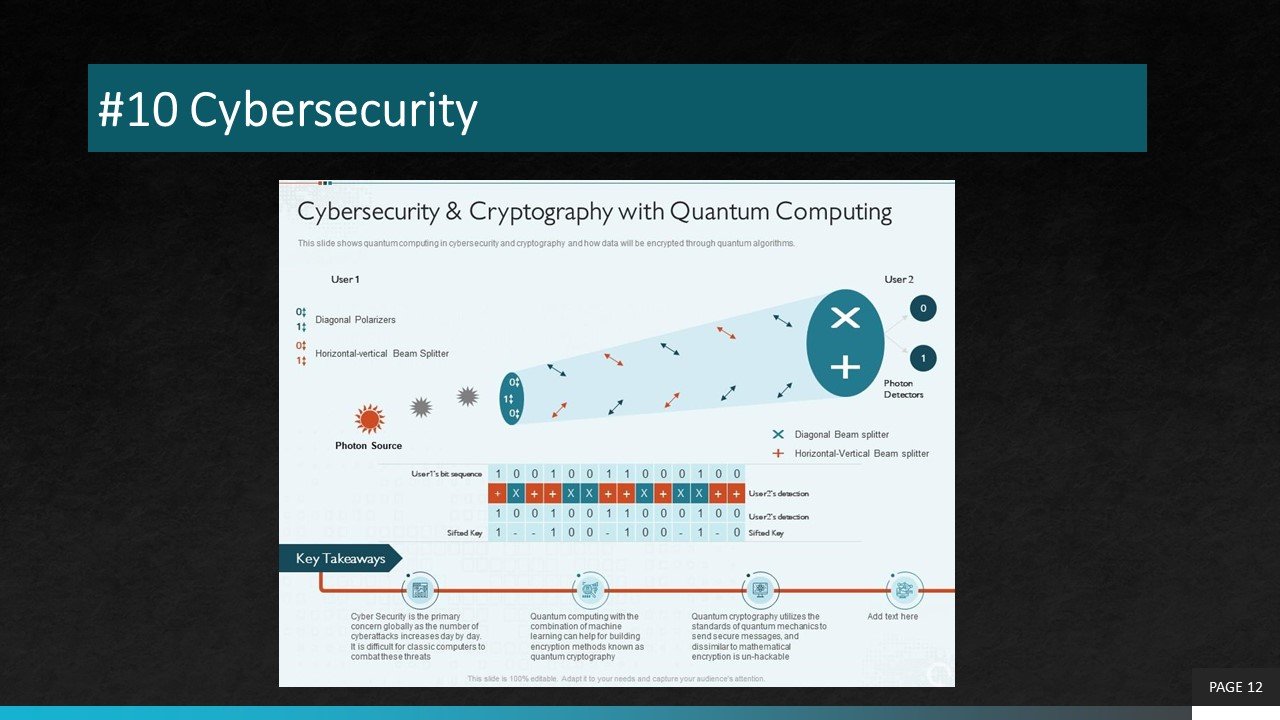
    Cybersecurity

    Quantum computing can enhance cybersecurity by analyzing large amounts of data and identifying potential threats and vulnerabilities.

    Cybersecurity

    Ref: https://quantumxc.com/blog/quantum-computing-impact-on-cybersecurity/

    Overall, SAP and quantum computing-based projects offer businesses the opportunity to enhance their operations and gain valuable insights into their business processes. By implementing quantum computing solutions with SAP, businesses can improve efficiency, reduce costs, and drive growth. However, it is important to note that quantum computing is still an emerging technology and its practical applications are still being explored.

  • Top 10 SAP SAC projects that can be implemented in real business scenario

    SAP Analytics Cloud (SAC) is a cloud-based analytics solution that allows businesses to access and analyze their data in real-time. With its advanced features and capabilities, SAC can help organizations make data-driven decisions that can drive business growth and improve operational efficiency. In this article, we will explore the top 10 SAP SAC projects that can be implemented in real business scenarios.

    Financial Planning and Analysis (FP&A)

    SAC provides an easy-to-use financial planning and analysis tool that can help organizations with budgeting, forecasting, and financial reporting.

    Ref: https://www.sap.com/india/products/financial-management/financial-planning-analysis-fpa.html

    Sales and Operations Planning (S&OP)

    SAC can help organizations optimize their sales and operations planning process by providing real-time data and advanced analytics capabilities.

    Ref: https://www.sap.com/products/scm/integrated-business-planning/what-is-sop-sales-and-operations-planning.html

    Supply Chain Analytics

    SAC can help organizations gain insights into their supply chain operations by analyzing data on inventory levels, production rates, and shipment volumes.

    Ref: https://www.sap.com/products/scm/solutions.html

    Customer Analytics

    SAC can help organizations understand their customers’ needs and preferences by analyzing data on customer behaviour, purchase history, and demographics.

    Ref: https://help.sap.com/docs/SAP_CLOUD_FOR_CUSTOMER/b4bb2e0a5bec4458a22bb0da507eb906/cd644f7173974bef9c5c20d61e4ad91b.html

    Human Resources Analytics

    SAC can help organizations optimize their HR operations by analyzing data on employee performance, turnover rates, and workforce demographics.

    Ref: https://www.sap.com/products/hcm/workforce-analytics.html

    Marketing Analytics

    SAC can help organizations improve their marketing campaigns by analyzing data on customer engagement, lead generation, and campaign performance.

    Ref: https://www.sap.com/cxworks/article/2589632387/overview_about_marketing_analytics

    Profitability Analysis

    SAC can help organizations identify their most profitable products, customers, and sales channels by analyzing data on revenue, costs, and margins.

    Ref: https://help.sap.com/docs/SAP_S4HANA_ON-PREMISE/5e23dc8fe9be4fd496f8ab556667ea05/f813d254fb26c50ae10000000a441470.html

    Predictive Analytics

    SAC can help organizations predict future trends and outcomes by analyzing historical data and applying advanced statistical models.

    Ref: https://blogs.sap.com/2022/06/01/sap-analytics-cloud-introduction-to-predictive-scenarios-and-applications/

    Compliance Monitoring

    SAC can help organizations ensure compliance with regulations and policies by monitoring data and detecting anomalies.

    Ref: https://help.sap.com/docs/SAP_S4HANA_ON-PREMISE/3cc1da1e1e364fadb9b1af653a9597d2/272ad013654c4ad78b53664d3995d3c2.html

    Performance Management

    SAC can help organizations monitor and improve their operational and financial performance by providing real-time data and performance indicators.

    Ref: https://blogs.sap.com/2022/07/08/how-sap-analytics-cloud-sac-pulls-data-from-sap-profitability-and-performance-management-cloud-sap-papm-cloud/

    Overall, SAP SAC offers a wide range of projects that can be implemented to support various business functions and decision-making processes. By leveraging SAC’s advanced analytics capabilities, businesses can gain valuable insights and make data-driven decisions that can drive growth and improve operational efficiency.


  • Top 10 SAP RAP projects that can be implemented in real business scenario

    Introduction

    SAP Rapid Application Development (RAP) is a framework that provides businesses with the ability to quickly and efficiently develop custom applications. With its ability to integrate with other SAP applications, businesses can leverage SAP RAP to streamline processes, reduce costs, and improve decision-making. In this article, we will explore the top 10 SAP RAP projects that can be implemented in real business scenarios. These projects span across various areas, including employee self-service, asset management, supply chain management, customer relationship management, sales and marketing, financial management, human resources, procurement, project management, and quality management. By understanding these projects, businesses can identify the opportunities that SAP RAP offers and start transforming their operations to stay ahead of the competition.

    Here are the top 10 SAP RAP (Rapid Application Development) projects that can be implemented in real business scenarios:

    Employee Self-Service

    Employee self-service applications developed using SAP RAP can provide employees with easy access to their personal information, such as pay stubs, benefits information, and vacation time. With self-service capabilities, employees can update their contact information, view their performance evaluations, and manage their time off requests. This can improve efficiency and reduce the workload for HR departments.

    Ref: https://help.sap.com/docs/ERP_HCM/4b4ea6fd46b247fcae9f12c4dc8133a4/fcdee4535dd4414de10000000a174cb4.html

    Asset Management

    Asset management applications developed using SAP RAP can help businesses track and manage their assets, such as equipment, vehicles, and property. These applications can provide real-time visibility into asset locations, status, and maintenance history, helping businesses optimize their operations and reduce costs.

    Ref: https://www.sap.com/products/scm/asset-management-eam.html

    Supply Chain Management

    Supply chain management applications developed using SAP RAP can provide businesses with real-time visibility into inventory levels, shipping status, and delivery times. With the ability to track products throughout the supply chain, businesses can improve efficiency, reduce costs, and provide better customer service.

    Ref: https://www.sap.com/india/products/scm.html

    Customer Relationship Management (CRM)

    CRM applications developed using SAP RAP can allow businesses to manage customer interactions, track customer preferences, and analyze customer data. With a holistic view of the customer, businesses can personalize their interactions and provide better customer service.

    Ref: https://www.sap.com/india/products/crm/what-is-crm.html

    Sales and Marketing

    Sales and marketing applications developed using SAP RAP can allow businesses to track leads, manage campaigns, and analyze sales data. With real-time data analytics, businesses can optimize their sales and marketing strategies to improve ROI.

    Ref: https://www.sap.com/india/products/crm/marketing.html

    Financial Management

    Financial management applications developed using SAP RAP can provide real-time visibility into financial data, including budgets, expenses, and revenue. With better financial insights, businesses can make informed decisions and reduce costs.

    Ref: https://www.sap.com/products/financial-management.html

    Human Resources

    Human resources applications developed using SAP RAP can help businesses manage recruitment, onboarding, and performance evaluations. With real-time data analytics, businesses can optimize their HR processes and improve employee engagement.

    Ref: https://www.sap.com/products/hcm/what-is-sap-hr.html

    Procurement

    Procurement applications developed using SAP RAP can streamline the procurement process, from requisition to payment. With real-time visibility into inventory levels and purchasing history, businesses can optimize their procurement strategies and reduce costs.

    Ref: https://www.sap.com/products/spend-management/procurement.html

    Project Management

    Project management applications developed using SAP RAP can allow businesses to track project status, manage resources, and analyze project data. With better project insights, businesses can optimize their project management strategies and improve project outcomes.

    Ref: https://www.sap.com/products/scm/project-portfolio-management.html

    Quality Management

    Quality management applications developed using SAP RAP can allow businesses to manage quality control processes, track defects, and analyze quality data. With real-time data analytics, businesses can optimize their quality control processes and improve product quality.

    Ref: https://help.sap.com/docs/SAP_S4HANA_ON-PREMISE/9905622a5c1f49ba84e9076fc83a9c2c/e2f8f94be737403696eeea0e2be80d87.html

    Overall, SAP RAP provides businesses with a rapid application development framework that allows them to create custom applications quickly and efficiently. With its ability to integrate with other SAP applications, businesses can leverage SAP RAP to streamline processes, reduce costs, and improve decision-making. These top 10 SAP RAP projects provide a range of solutions for businesses across industries, helping them to transform their operations and stay ahead of the competition.


  • Top 10 SAP HANA projects that can be implemented in real business scenario

    Introduction

    In today’s fast-paced business environment, companies need to be able to process and analyze large volumes of data quickly and efficiently. That’s where SAP HANA comes in. This powerful platform provides businesses with real-time analytics, predictive capabilities, machine learning, and much more. In this article, we’ll explore the top 10 SAP HANA projects that businesses can implement to gain insights into their operations, optimize processes, reduce costs, and improve decision-making. From real-time analytics and data warehousing to IoT and fraud detection, SAP HANA provides businesses with the tools they need to stay ahead of the competition and transform their operations. So, let’s dive in and discover the top 10 SAP HANA projects that can be implemented in real business scenarios.

    Here are the top 10 SAP HANA projects that can be implemented in real business scenarios:

    Real-time Analytics

    With SAP HANA, businesses can analyze large volumes of data in real-time. This allows businesses to gain insights into their operations, optimize processes, and make more informed decisions quickly and efficiently.

    Real-time Analytics

    Ref: https://blogs.sap.com/2021/02/17/sap-analytics-cloud-expand-live-data-connectivity-to-heterogenous-data-sources-via-sap-hana/

    Data Warehousing

    SAP HANA can be used to create data warehouses that can handle large volumes of data. This allows businesses to gain insights into their operations, optimize processes, and improve decision-making.

    Data Warehousing

    Ref: https://blogs.sap.com/2019/05/15/sap-hana-data-warehousing-for-non-experts/

    Predictive Analytics

    With SAP HANA, businesses can use predictive analytics to forecast future trends and identify potential opportunities or threats. This can help businesses to make informed decisions and stay ahead of the competition.

    Predictive Analytics

    Ref: https://blogs.sap.com/2020/02/19/analytics-with-sap-sap-hana-2.0-an-introduction/

    Internet of Things (IoT)

    SAP HANA can be used to handle large volumes of data generated by IoT devices. This can help businesses to optimize their operations, reduce costs, and improve customer experience.

    Internet of Things (IoT)

    Ref: https://blogs.sap.com/2019/07/15/send-iot-data-to-hana-and-connect-it-to-sap-analytics-cloud/

    Machine Learning

    SAP HANA can be used to develop machine learning models that can help businesses automate processes, optimize operations, and gain insights from data. This can help businesses to identify patterns, anomalies, and trends that can lead to more informed decisions.

    Machine Learning

    Ref: https://blogs.sap.com/2019/02/07/machine-learning-with-sap-hana/

    Fraud Detection

    With SAP HANA, businesses can detect and prevent fraud in real-time. This can help businesses to protect their assets, improve compliance, and reduce risk.

    Fraud Detection

    Ref: https://blogs.sap.com/2017/05/16/sap-fraud-management-for-sap-s4hana-release-1.2-sp05/

    Customer Experience

    SAP HANA can be used to analyze customer data and provide personalized recommendations and services. This can help businesses to improve customer experience, loyalty, and retention.

    Customer Experience

    Ref: https://blogs.sap.com/2019/04/29/intelligent-customer-service-with-sap-core-moments/

    Supply Chain Optimization

    SAP HANA can be used to optimize supply chain processes by analyzing data from multiple sources. This can help businesses to reduce costs, improve delivery times, and increase efficiency.

    Supply Chain Optimization

    Ref: https://blogs.sap.com/2021/05/14/manufacturing-and-supply-chain-in-sap-s-4hana-cloud-2105-0443-request-control/

    Financial Planning and Analysis

    SAP HANA can be used to develop financial planning and analysis applications that can help businesses to manage budgets, track expenses, and forecast future trends. This can help businesses to make informed decisions and stay ahead of the competition.

    Financial Planning and Analysis

    Ref: https://blogs.sap.com/2021/01/29/implementers-guide-to-best-practices-for-financial-planning-and-analysis-for-sap-s-4hana/

    Health Care Analytics

    SAP HANA can be used to analyze healthcare data to improve patient outcomes, reduce costs, and optimize operations. This can help healthcare providers to identify trends and patterns in patient data, monitor patient health, and improve the quality of care.

    Health Care Analytics

    Ref: https://blogs.sap.com/2021/03/23/data-management-and-analytics-for-healthcare/

    SAP HANA provides a powerful platform for businesses to gain insights into their operations, optimize processes, reduce costs, and improve decision-making. With its real-time analytics capabilities, data warehousing, predictive analytics, machine learning, and IoT capabilities, businesses can leverage SAP HANA to stay ahead of the competition and transform their operations.


  • Top 10 SAP Object Oriented projects that can be implemented in real business scenario

    Introduction

    Object Oriented ABAP (OOABAP) is a powerful programming paradigm that is widely used in SAP development. OOABAP provides developers with the tools and techniques necessary to create modular, maintainable, and scalable applications. In this context, we’ve compiled a list of the top 10 SAP Object Oriented ABAP projects that can be implemented in real business scenarios. These projects cover a wide range of use cases, from custom ABAP object development to ABAP web Dynpro development and performance optimization. By implementing these projects, businesses can benefit from enhanced application development, improved user experience, and increased efficiency. Let’s dive into each of these projects in detail to understand their benefits and applications.

    Here are the top 10 SAP Object Oriented ABAP projects that can be implemented in real business scenarios, along with their explanations:

    Custom Object-Oriented ABAP Classes

    Developers can create custom ABAP classes using object-oriented programming (OOP) concepts. These classes can be used to encapsulate business logic and perform complex operations. Custom classes can be designed to meet specific business needs and can be reused across multiple applications.

    Custom Object-Oriented ABAP Classes

    Ref: https://gocoding.org/oops-abap-2/

    Custom ABAP Objects Development

    Developers can use ABAP objects to create custom SAP applications. ABAP objects provide a modern, modular, and maintainable approach to application development. Developers can use ABAP objects to encapsulate business logic and UI design, making maintaining and updating the application easier.

    Custom ABAP Objects Development

    Ref: https://gocoding.org/abap-programs/

    ABAP Web Dynpro Development

    Developers can create custom web-based applications using ABAP objects and Web Dynpro technology. This can provide a modern and intuitive user interface for SAP applications, increasing user adoption and productivity.

    ABAP Web Dynpro Development

    Ref: https://gocoding.org/sap-abap-web-dynpro/

    ABAP BADI and Enhancements

    Developers can use Business Add-Ins (BADI) and enhancements to add custom functionality to SAP applications. These enhancements can be used to modify existing SAP functionality, add new features, and improve performance.

    ABAP BADI and Enhancements

    Ref: https://help.sap.com/docs/SAP_NETWEAVER_AS_ABAP_752/f2e545608079437ab165c105649b89db/18ef8ab2bd604516bbe7c0d297ee2476.html?version=7.52.0&locale=en-US

    ABAP Integration with Non-SAP Systems

    Developers can use ABAP objects to integrate SAP systems with non-SAP systems. This can include integration with cloud services, mobile apps, and other third-party systems.

    ABAP Integration with Non-SAP Systems

    Ref: https://help.sap.com/saphelp_em700_ehp01/helpdata/en/22/042860488911d189490000e829fbbd/content.htm?no_cache=true

    ABAP Batch Processing

    Developers can use ABAP to perform batch-processing operations. This can include batch data processing, batch printing, and other types of batch operations.

    ABAP Batch Processing

    Ref: https://help.sap.com/doc/saphelp_nw74/7.4.16/en-us/94/a126519eff236ee10000000a445394/content.htm?no_cache=true

    ABAP Authorization and Security

    Developers can use ABAP to enforce authorization and security rules when accessing SAP data. This can help businesses protect sensitive data and ensure compliance with regulatory requirements.

    ABAP Authorization and Security

    Ref: https://help.sap.com/saphelp_scm70/helpdata/ru/52/671285439b11d1896f0000e8322d00/content.htm?no_cache=true

    ABAP Analytics and Reporting

    Developers can use ABAP to extract data from SAP systems and use it for analytics and reporting purposes. This can help businesses gain insights into their operations and make data-driven decisions.

    ABAP Analytics and Reporting

    Ref: https://blogs.sap.com/2011/02/11/get-over-abap-reports-create-object-oriented-selection-screens/

    ABAP Performance Optimization

    Developers can optimize ABAP programs to improve their performance. This can include techniques such as query optimization, caching, and code profiling.

    ABAP Performance Optimization

    Ref: https://blogs.sap.com/2022/05/27/abap-oo-design-part-7-step-3-reuse-optimization-example-send-sales-order-document-by-email-to-customer/

    ABAP Service Versioning

    Developers can use ABAP to version their services. This can help businesses maintain compatibility with existing clients while making updates to their services.

    ABAP Service Versioning

    Ref: https://help.sap.com/docs/SAP_NETWEAVER_750/9d5c91746d2f48199bd465c3a4973b89/b86d3a3f7871432d9692758ad85466c4.html

    Overall, Object Oriented ABAP projects can provide businesses a wide range of benefits, including improved application development, enhanced user experience, and increased efficiency.